Asphalt Paving Requirements for Regulation Tennis and Pickleball Courts
People seeking asphalt paving requirements for regulation tennis and pickleball courts can rely on local contractors to ensure proper surface installation that meets all standards.
Property owners considering the installation or renovation of regulation tennis and pickleball courts often find themselves needing to understand the specific asphalt paving requirements involved. Ensuring proper paving standards is essential for creating a durable, level, and safe playing surface that meets official regulations. Whether planning a new court or upgrading an existing one, knowing what local contractors need to do can help make informed decisions and avoid costly mistakes down the line. This page provides practical insights into these paving requirements, highlighting how experienced local service providers can assist in achieving the best results for your property.
For property owners in the area exploring options for tennis and pickleball court paving, connecting with local contractors who specialize in these surfaces can be a valuable step. These professionals understand the importance of proper asphalt preparation, thickness, and finishing techniques that align with regulation standards. By working with local experts, property owners can ensure their courts are built to last and provide a consistent, high-quality playing experience. Keep reading to discover more about the paving requirements and how local service providers can support your project.
- Tennis court paving - property owners planning to install regulation tennis courts may need asphalt paving that meets specific surface standards, with local contractors ensuring proper base preparation and smooth finishes.
- Pickleball court paving - those building or refurbishing pickleball courts look for asphalt paving that complies with size and surface requirements, with local service providers delivering durable, level surfaces.
- Regulation court surface installation - facilities aiming to meet official tennis and pickleball court dimensions often require precise asphalt paving, which local experts approach with careful grading and consistent surface application.
- Surface repair for courts - existing tennis and pickleball courts needing resurfacing or repairs seek asphalt paving services that restore compliance with regulation standards, handled by experienced local contractors.
- Court expansion or modification - property owners expanding or modifying existing courts look for asphalt paving that adheres to regulation specifications, with local pros providing expert surface adjustments and enhancements.
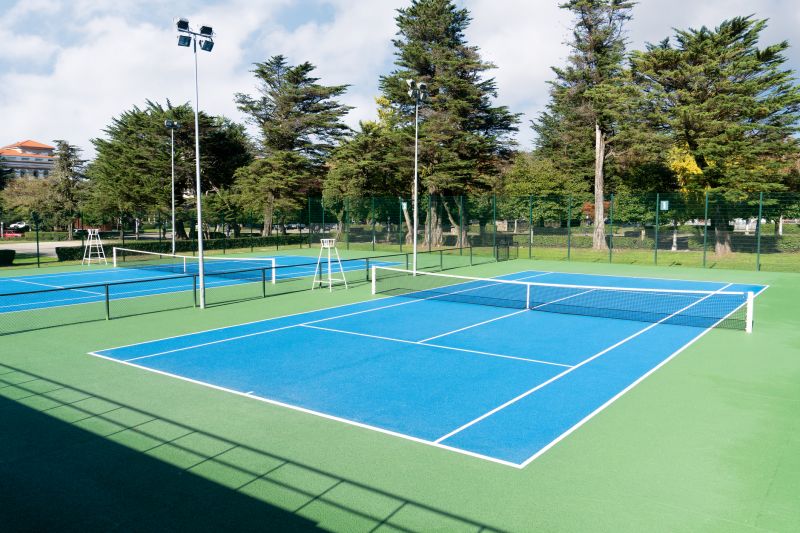
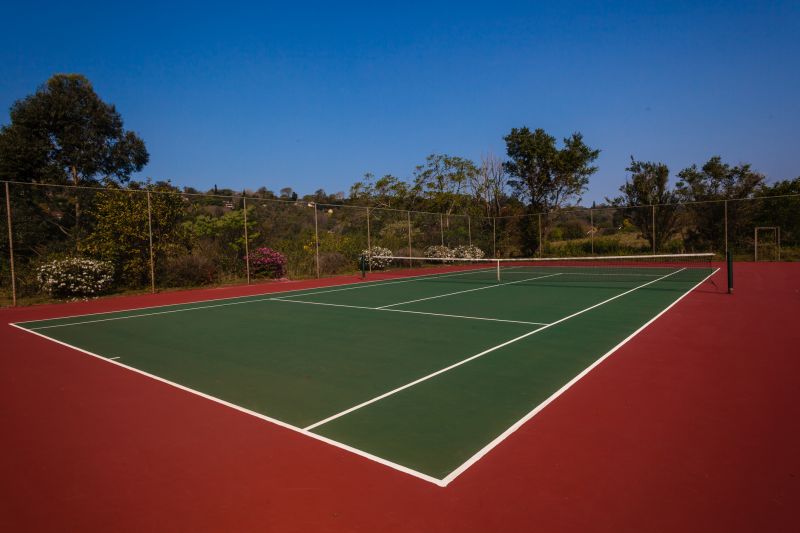
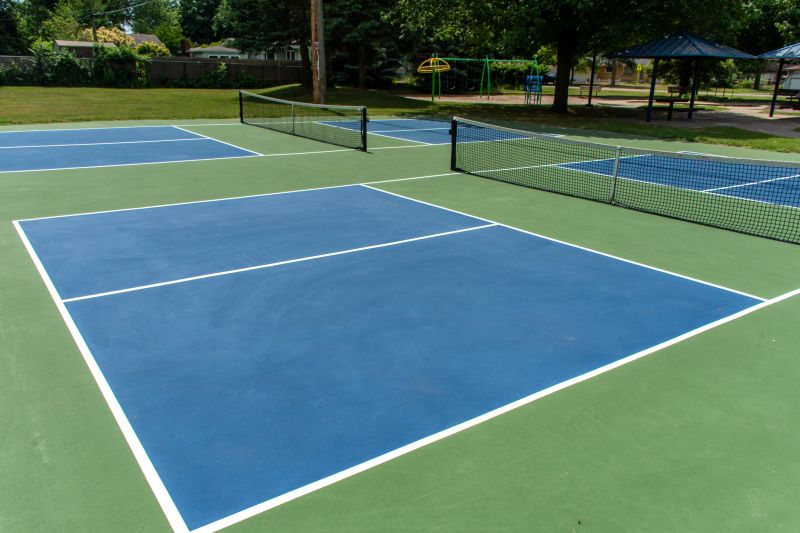
When searching for information about asphalt paving requirements for regulation tennis and pickleball courts, most people are typically interested in understanding the specific standards that ensure proper playability and durability. Homeowners, facility managers, or property developers often want to know how the paving process should be carried out to meet official regulations. This includes details about the thickness of the asphalt layer, the type of surface finish needed, and the underlying base requirements that support consistent ball bounce and player safety. These considerations are crucial for creating courts that not only look professional but also perform reliably over time, making the choice of experienced local contractors essential for meeting these technical standards.
Many projects related to asphalt paving for regulation tennis and pickleball courts stem from plans to upgrade or install new recreational facilities on residential, community, or commercial properties. Common problems encountered include uneven surfaces, cracking, or inadequate base preparation that can affect gameplay and safety. Property owners may also face challenges in ensuring compliance with local regulations or league standards, which specify specific surface dimensions, line markings, and surface conditions. Proper planning involves assessing the existing property layout, understanding the scope of the paving work, and coordinating with service providers who understand the technical requirements for these specialized courts.
The types of properties where asphalt paving for regulation tennis and pickleball courts typically appears include private homes with dedicated backyard courts, community sports complexes, school athletic facilities, and recreational centers. These properties often require courts that can withstand frequent use and exposure to weather conditions. The surface must be smooth, level, and durable, which makes asphalt a popular choice due to its strength and affordability. Local contractors experienced in court paving can evaluate the property’s terrain, recommend appropriate base materials, and ensure the asphalt meets all necessary thickness and surface quality standards for regulation play.
Understanding the connection between property type and paving requirements helps homeowners see how local service providers fit into the process. Whether installing a new court or renovating an existing one, these professionals handle the technical aspects of asphalt paving to meet regulation standards. They prepare the site, lay the base, and apply the asphalt with the correct specifications to ensure the court is compliant and functional. This expertise is vital for property owners who want to create a safe, playable, and long-lasting court that adheres to official guidelines, making it easier to enjoy recreational activities while maintaining the property's value and appeal.
Basketball Court Paving - This project involves similar surface preparation and asphalt installation techniques required for regulation tennis and pickleball courts, making it a relevant comparison for those seeking expert paving services.
Driveway Asphalt Installation - Local contractors experienced in driveway paving understand the specific asphalt requirements and surface leveling needed for proper tennis and pickleball court construction.
Sports Court Resurfacing - Resurfacing projects for basketball or volleyball courts share planning and material considerations with tennis and pickleball court paving, requiring precise surface finishing.
Parking Lot Paving - Parking lot paving involves large-scale asphalt work that shares planning, grading, and compaction skills applicable to the installation of regulation tennis and pickleball courts.
Walking Path and Trail Paving - These projects require similar surface preparation and asphalt application techniques that are essential for creating durable, regulation-compliant courts.
Industrial Asphalt Flooring - Industrial flooring projects involve precise asphalt layering and surface stability, paralleling the requirements for regulation tennis and pickleball court paving services.
When evaluating service providers for asphalt paving requirements for regulation tennis and pickleball courts, it is important to consider their experience with similar projects. Contractors who have successfully completed comparable court paving jobs will be familiar with the specific standards and technical considerations involved. This background can help ensure that the asphalt surface meets the necessary specifications for durability, smoothness, and compliance with regulation guidelines, reducing the risk of future issues or costly rework.
Clear, written expectations are a vital part of selecting the right local contractor. A detailed scope of work should outline the materials, surface preparation, paving techniques, and finishing processes to be used. Having these expectations documented helps prevent misunderstandings and provides a basis for evaluating whether a service provider’s approach aligns with the project’s requirements. It also facilitates transparency and accountability throughout the process, making it easier to address any concerns that may arise during the work.
Reputable references and effective communication are essential factors when comparing local contractors for tennis and pickleball court paving services. Service providers with positive references from previous clients can offer insight into their reliability, quality of work, and ability to meet project specifications. Good communication ensures that questions are answered promptly and that project updates are provided consistently, which can help streamline the process and foster confidence in the contractor’s professionalism. These qualities contribute to a smoother experience and a higher likelihood of achieving the desired outcome for the court paving project.
Property owners often search for asphalt paving requirements for regulation tennis and pickleball courts when they are planning practical projects around their homes and businesses. Local pros provide Tennis and Pickleball Court Paving services for everyday jobs and straightforward project options.
Understanding the asphalt paving requirements for regulation tennis and pickleball courts is a common concern for property owners planning to add or upgrade these recreational spaces. Many individuals in the area look into this topic when considering a new court installation or resurfacing project to ensure the surface meets official standards for playability and safety. Local contractors who specialize in sports court paving can provide guidance on the necessary thickness, slope, and surface smoothness to create a durable, regulation-compliant court that stands up to regular use and weather conditions.
For property owners exploring options for paving their tennis or pickleball courts, knowing the specific asphalt requirements can help avoid costly mistakes and ensure the project adheres to local regulations. Experienced service providers in the area understand these standards and can handle the technical aspects of preparing the foundation, laying the asphalt, and finishing the surface to meet regulation guidelines. Connecting with local contractors who are familiar with these paving requirements can make the process smoother and help achieve a court that offers consistent play and longevity.
What are the standard asphalt paving requirements for regulation tennis and pickleball courts? Local contractors typically adhere to specific thickness and surface smoothness standards to ensure courts meet regulation dimensions and playability. They also follow proper sub-base preparation and drainage considerations to maintain court integrity over time.
How does asphalt paving influence the quality of a tennis or pickleball court? Proper asphalt paving ensures a durable, level surface that provides consistent bounce and traction, which are essential for regulation play. Experienced service providers focus on achieving a smooth, well-compacted surface that meets sport-specific specifications.
Are there specific asphalt standards for different types of tennis and pickleball courts? Yes, different court types may require variations in asphalt thickness and surface texture. Local service providers can customize paving approaches to meet the requirements for either clay, hard, or other regulation surfaces.
What preparation steps are necessary before asphalt paving for sports courts? Preparation typically involves grading the site, installing a suitable sub-base, and ensuring proper drainage. Skilled contractors handle these steps to create a stable foundation for the asphalt surface.
Can asphalt paving requirements vary based on location or governing bodies? Yes, local regulations and governing bodies may have specific standards for asphalt paving on tennis and pickleball courts. Experienced service providers are familiar with these requirements and can ensure compliance during installation.
Understanding surface thickness requirements - property owners can work with local contractors to ensure asphalt layers meet regulation standards for durability and performance.
Ensuring proper drainage and slope - local service providers can help design the paving to prevent water accumulation, maintaining court integrity during gameplay.
Selecting appropriate surfacing materials - property owners can consult local pros to choose asphalt mixes that adhere to official specifications for tennis and pickleball courts.
Meeting line marking and layout standards - local contractors can assist in accurately applying court lines and markings according to regulation dimensions.
If you are thinking about asphalt paving requirements for regulation tennis and pickleball courts for a property, this guide is meant to help you understand this topic, the typical project types, and how different options might fit your plans.
When you are ready, you can use the quote form on this page to share a few details about your project. From there, local pros can review the basics and follow up with options that match what you have in mind.